Start here
Fiber doesn't get the attention protein does, but federal dietary guidance treats it as a nutrient most Americans come up short on. The good news is that closing the gap rarely takes special products. Mostly it comes down to oatmeal, beans and leaving the peel on.
How much the guidelines recommend
The National Academies' Dietary Reference Intakes base the fiber goal on calories: about 14 grams of fiber for every 1,000 calories you eat. For someone eating 2,000 calories a day, that comes to about 28 grams.
The scientific advisory committee for the 2025 to 2030 Dietary Guidelines for Americans named dietary fiber a nutrient of public health concern, because most Americans don't eat enough of it.
Two kinds of fiber
Fiber is a type of carbohydrate that the body doesn't fully digest. It's usually sorted into two types:
Most plant foods have some of both.
- Soluble fiber dissolves in water and forms a gel. Oats, beans, apples, and citrus are good sources.
- Insoluble fiber adds bulk and helps food move through the digestive tract. Whole wheat, nuts, and many vegetables provide it.
Why it matters
Health organizations connect higher fiber intake with several benefits. The American Heart Association notes that soluble fiber can help lower LDL cholesterol. Fiber also helps keep bowel movements regular and can help you feel full, which some people find useful for managing appetite. And many fiber-rich foods, like whole grains, beans, fruits, and vegetables, bring along other nutrients the guidelines encourage.
Easy ways to add fiber
You don't have to count every gram. A few habits go a long way:
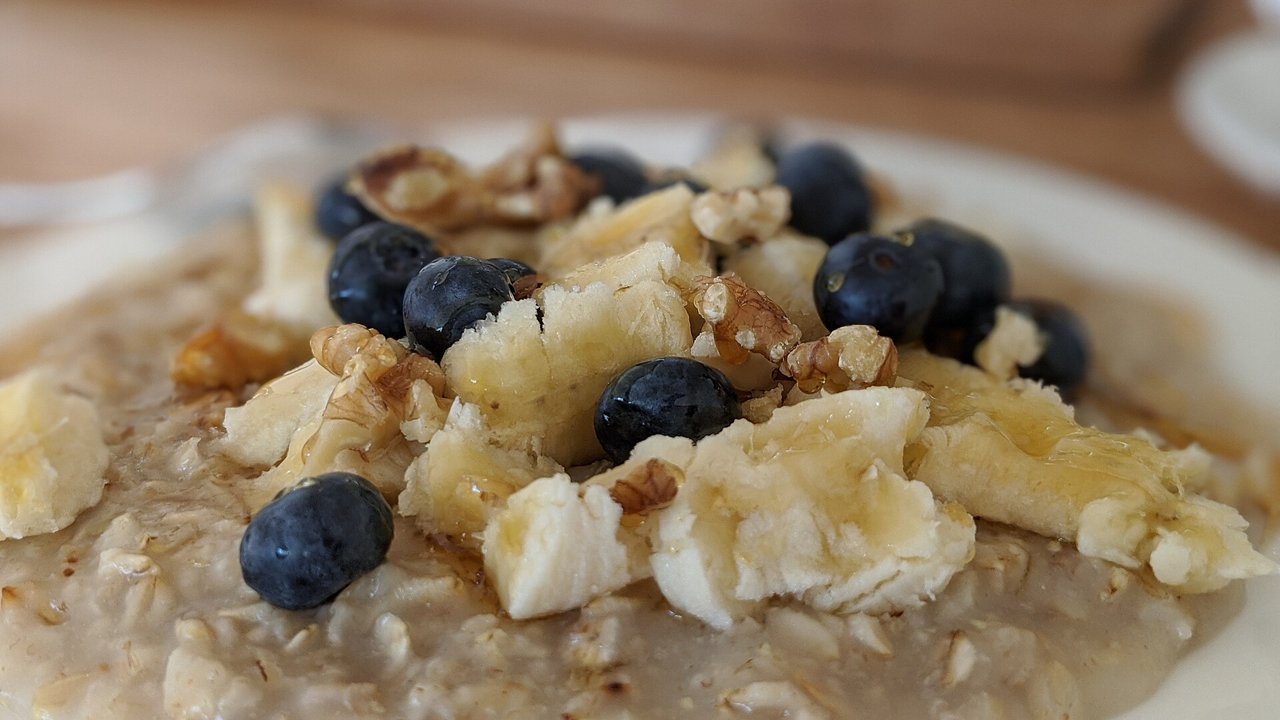
- Start the day with a whole grain. Oatmeal or a whole-grain cereal instead of a refined one.
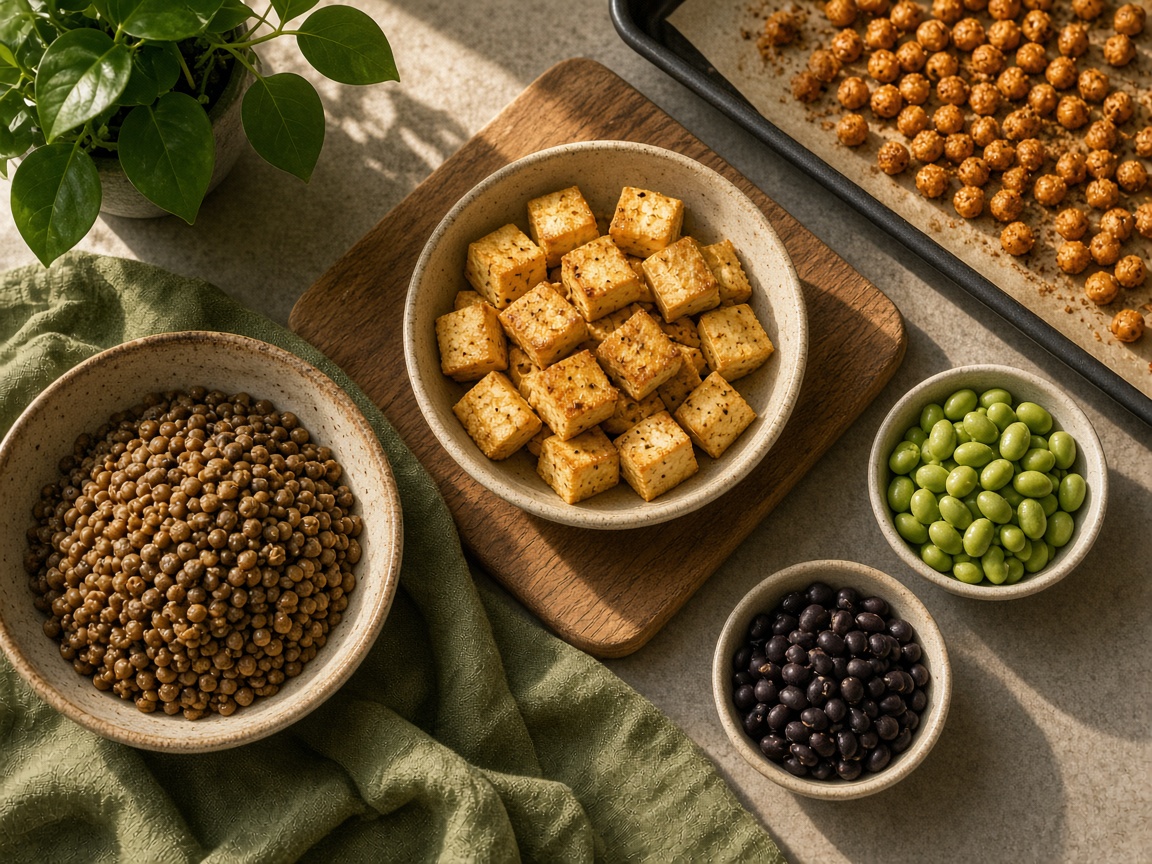
- Add beans or lentils to soups, salads, and tacos a few times a week.
- Keep the skin on fruits and vegetables like apples, pears, and potatoes when you can.
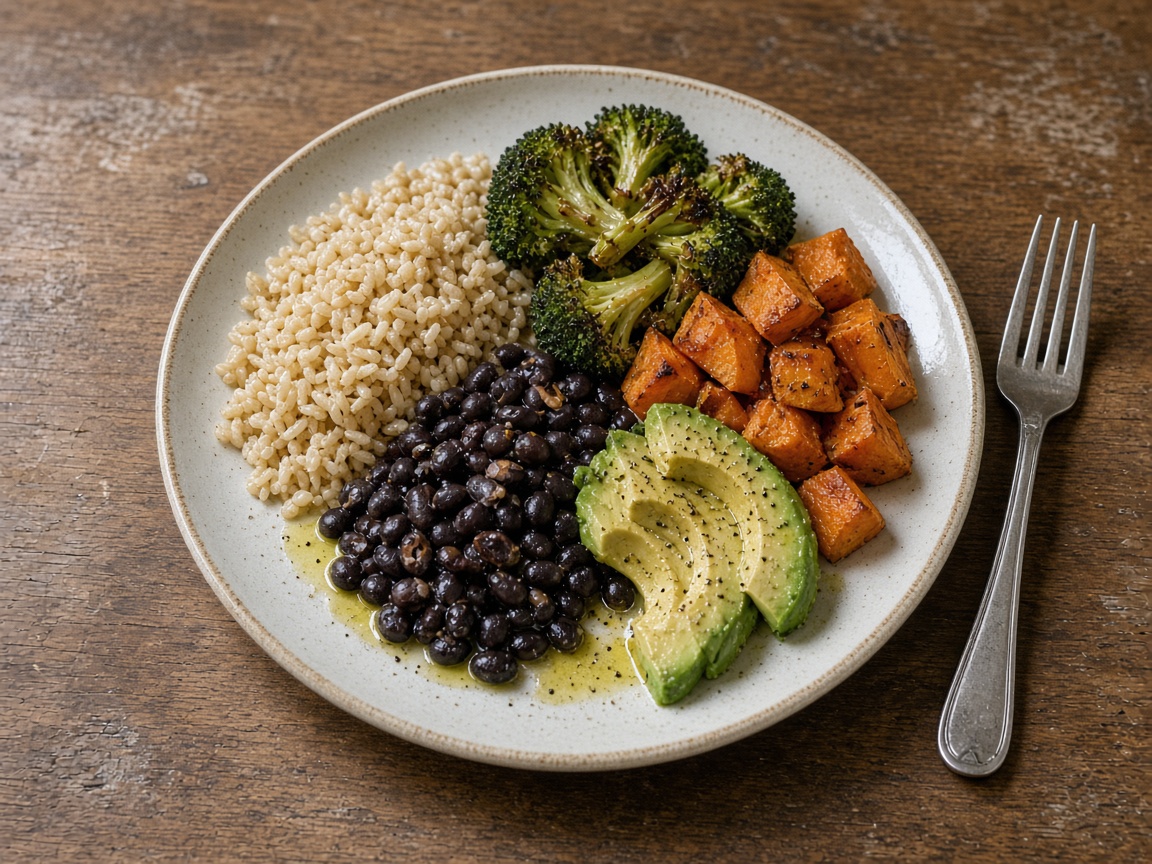
- Swap half your grains. Use brown rice, whole wheat pasta, or whole-grain bread for at least half of the grains you eat, as the guidelines suggest.
- Snack on fruit, nuts, or popcorn instead of chips.
How to read a label
The Nutrition Facts label lists dietary fiber in grams and as a percent Daily Value. The FDA's Daily Value for fiber is 28 grams, so a food with 5 grams per serving gives you about 18 percent. The FDA calls 5 percent or less low and 20 percent or more high.
Go slow and drink water
Adding a lot of fiber all at once can cause gas and bloating. Build it up gradually over a few weeks and drink enough fluids. If you have a digestive condition, ask a health professional or registered dietitian what makes sense for you.
Sources
These are the primary sources behind the numbers in this guide.
Image: Banana blueberry oatmeal, Shisma. CC BY 4.0, via Wikimedia Commons.
- National Academies, Dietary Reference Intakes for Energy, Carbohydrate, Fiber, Fat, Fatty Acids, Cholesterol, Protein, and Amino Acids (2005)
- Scientific Report of the 2025 Dietary Guidelines Advisory Committee
- U.S. Food and Drug Administration, "Daily Value on the Nutrition and Supplement Facts Labels"
- FDA, "How to Understand and Use the Nutrition Facts Label"
- American Heart Association, "Sound the fiber alarm! Most of us need more of it in our diet" (2022)
- American Heart Association, "Take a fresh look at oatmeal" (soluble fiber and cholesterol, 2022)
Free printable
The 7-day sleep, movement and mood tracker
One page, three habits, a few seconds each evening. Built on the CDC sleep guidance and the U.S. activity guidelines, with a day-7 review to spot your own pattern.
You'll also get occasional wellness notes. Unsubscribe any time.
Continue learning
Further reading
Healthy Body Mind Life provides educational self-help content only. It is not medical, nutritional, therapeutic, or licensed counseling advice. For personal health concerns, consult an appropriately qualified professional.