Start here
A short guide to the Body collection
The four basics this collection keeps returning to
Most of the Body articles circle back to four things: what is on your plate, how often you move, how much water you drink and how much you sleep. None of them calls for special equipment. The point is to find a version you can keep up on an ordinary Tuesday, when nothing about the day is special.
Food
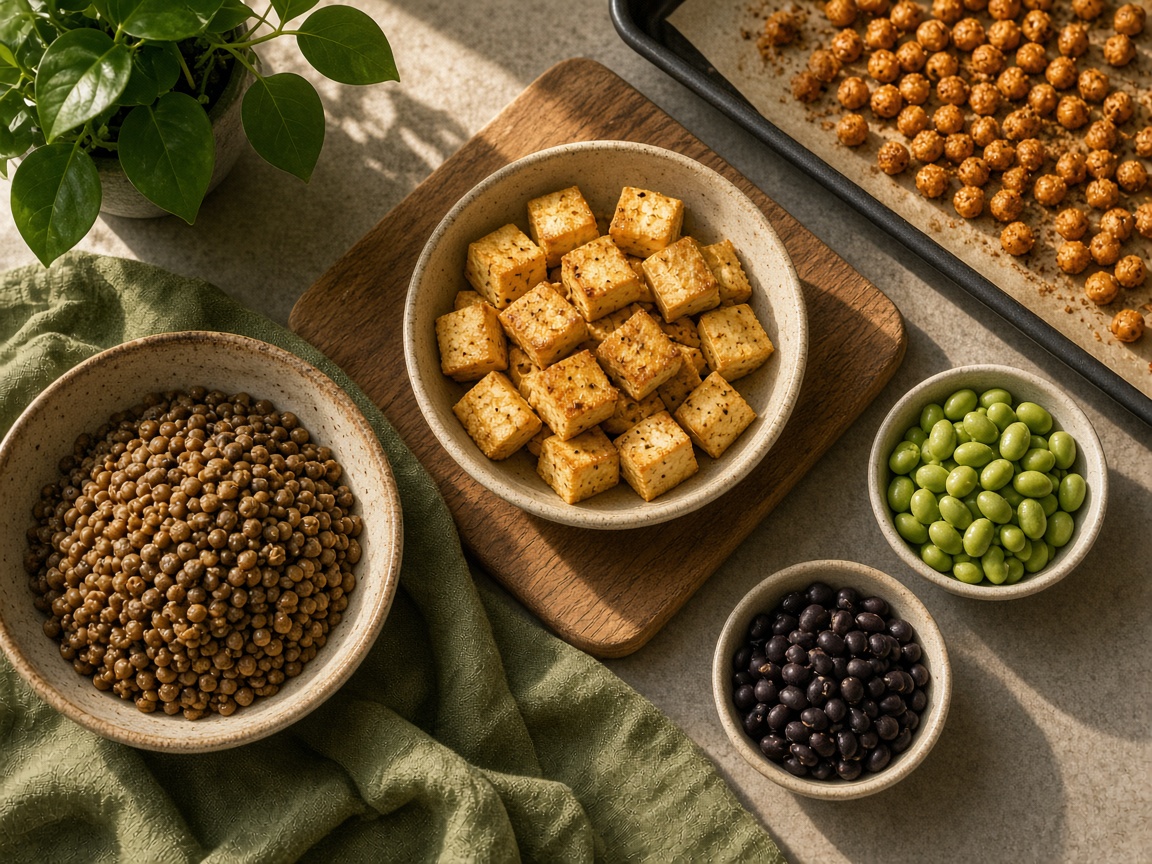
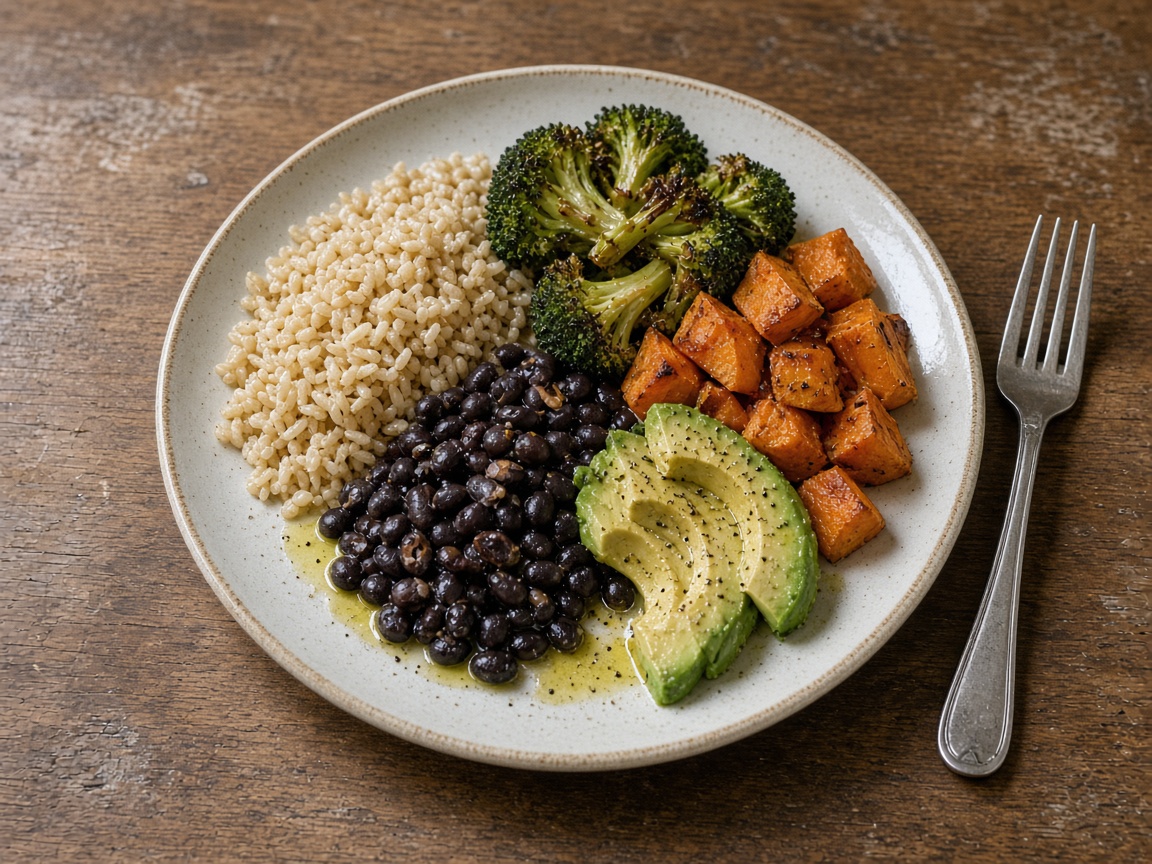
The World Health Organization's healthy diet fact sheet recommends eating at least 400 grams of fruit and vegetables a day, which works out to about five portions. It also recommends keeping free sugars under 10 percent of total energy intake and keeping salt under 5 grams a day. Treat those numbers as a compass, not a test you have to pass every single day. The plant protein guide on this site shows how beans, lentils, tofu and similar staples can carry a meal, and the flexible everyday diet article is about building meals that still feel like home.
Movement
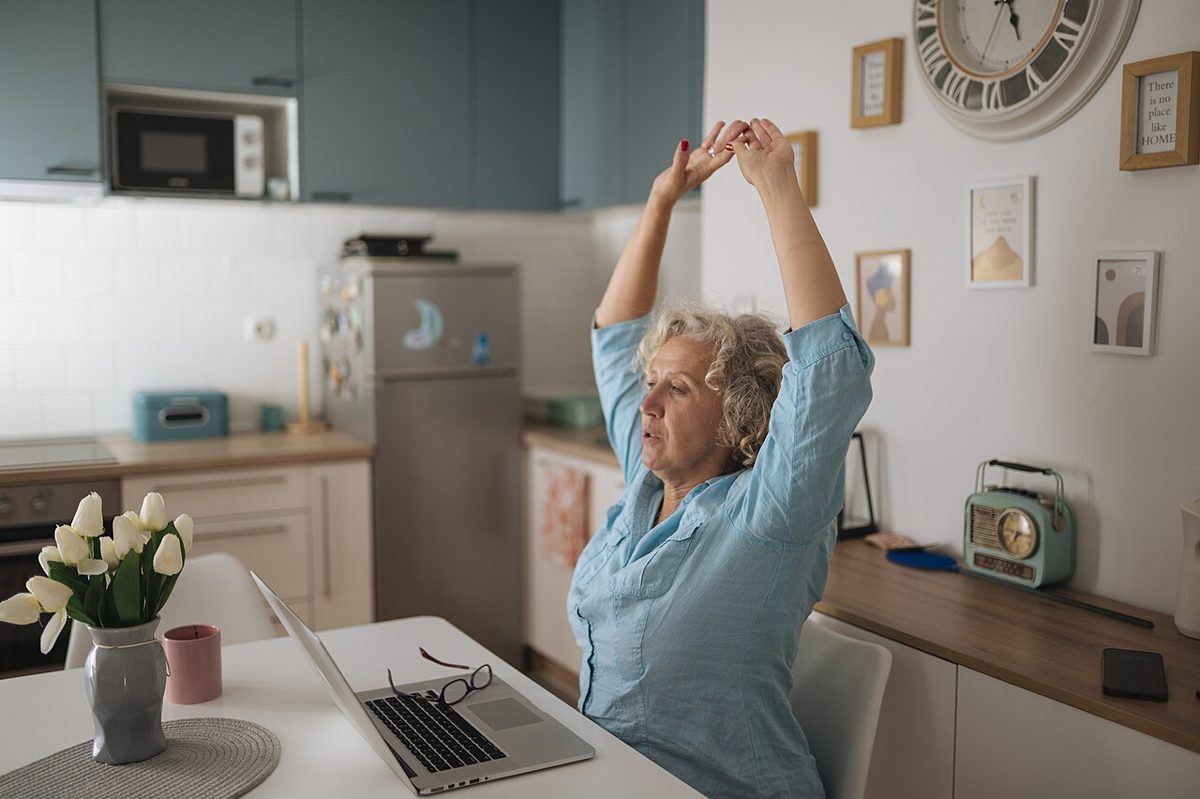
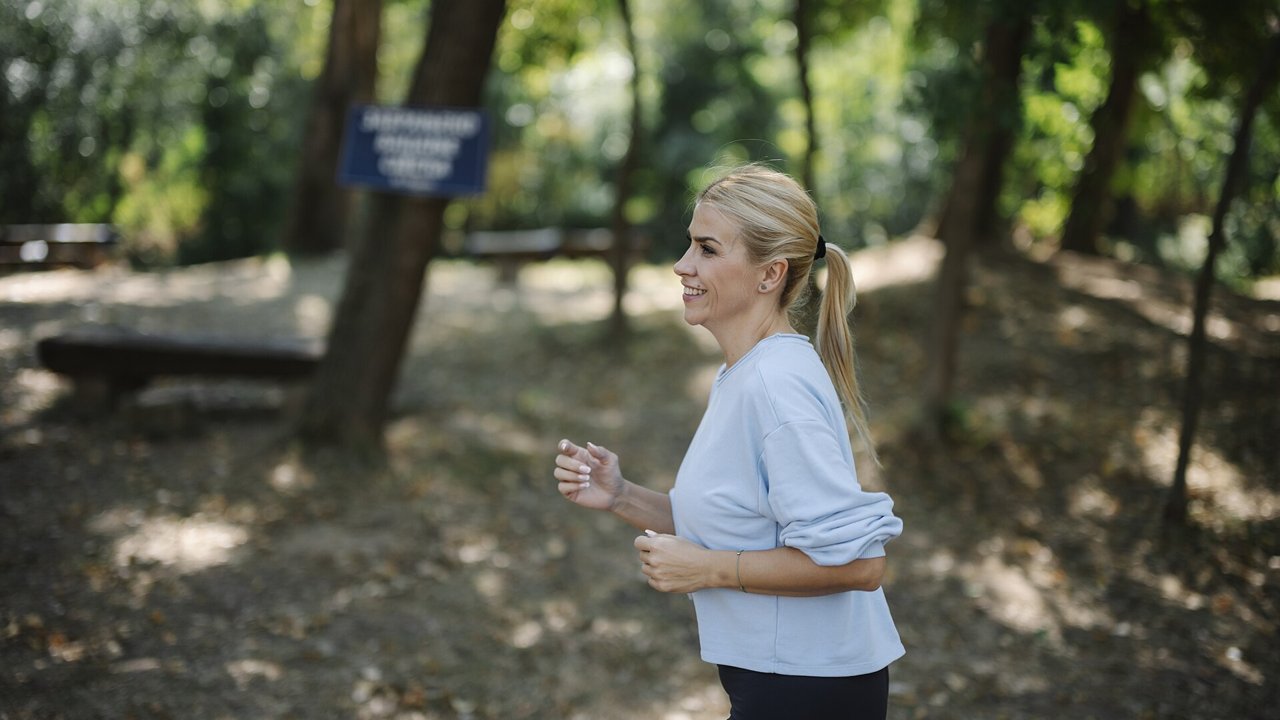
The Physical Activity Guidelines for Americans, published by the U.S. Department of Health and Human Services, recommend that adults get at least 150 minutes a week of moderate-intensity aerobic activity, plus muscle-strengthening activity on two or more days a week. You do not have to do it all at once, because it can be broken into short pieces. The walking meetings article looks at fitting steps into a working day, and the beginner strength plan covers simple home exercises for those two strength days.
Water and rest
The hydration article is deliberately relaxed about gallon jugs. It focuses on cues instead: thirst, a rough look at urine color, and how you feel in the heat. It also reminds readers with kidney or heart conditions to ask a clinician about fluids. Sleep belongs in this collection as well. The CDC says most adults need seven or more hours of sleep a night, and the sleep environment checklist in the Life collection covers the room itself.
A gentle way to use these articles
Pick one basic, choose one article, and try one change for a week. If it sticks, add another one. If it does not, that is information, not failure. Anyone with a medical condition, a pregnancy, or a history of disordered eating should check changes to diet or exercise with a qualified professional before starting.