The risk is ordinary food, handled casually
Food poisoning is not only a restaurant story. The CDC’s prevention page says some foods are more likely to carry germs that can make you sick, and that those germs can move to your hands, the counter, and other foods. The foods it flags include raw or undercooked poultry, meat, seafood, or eggs; raw or undercooked sprouts; unwashed fruit and vegetables; cut melon; unpasteurized milk, juice, cider, or soft cheese; and raw dough or batter made with uncooked flour.
The response it recommends is four steps: clean, separate, cook, and chill. If a food is recalled, throw it away, and clean the refrigerator if a recalled item was stored there. The rest of this article is those four steps with the details that are easy to skip.
Clean: twenty seconds, and not just before you start
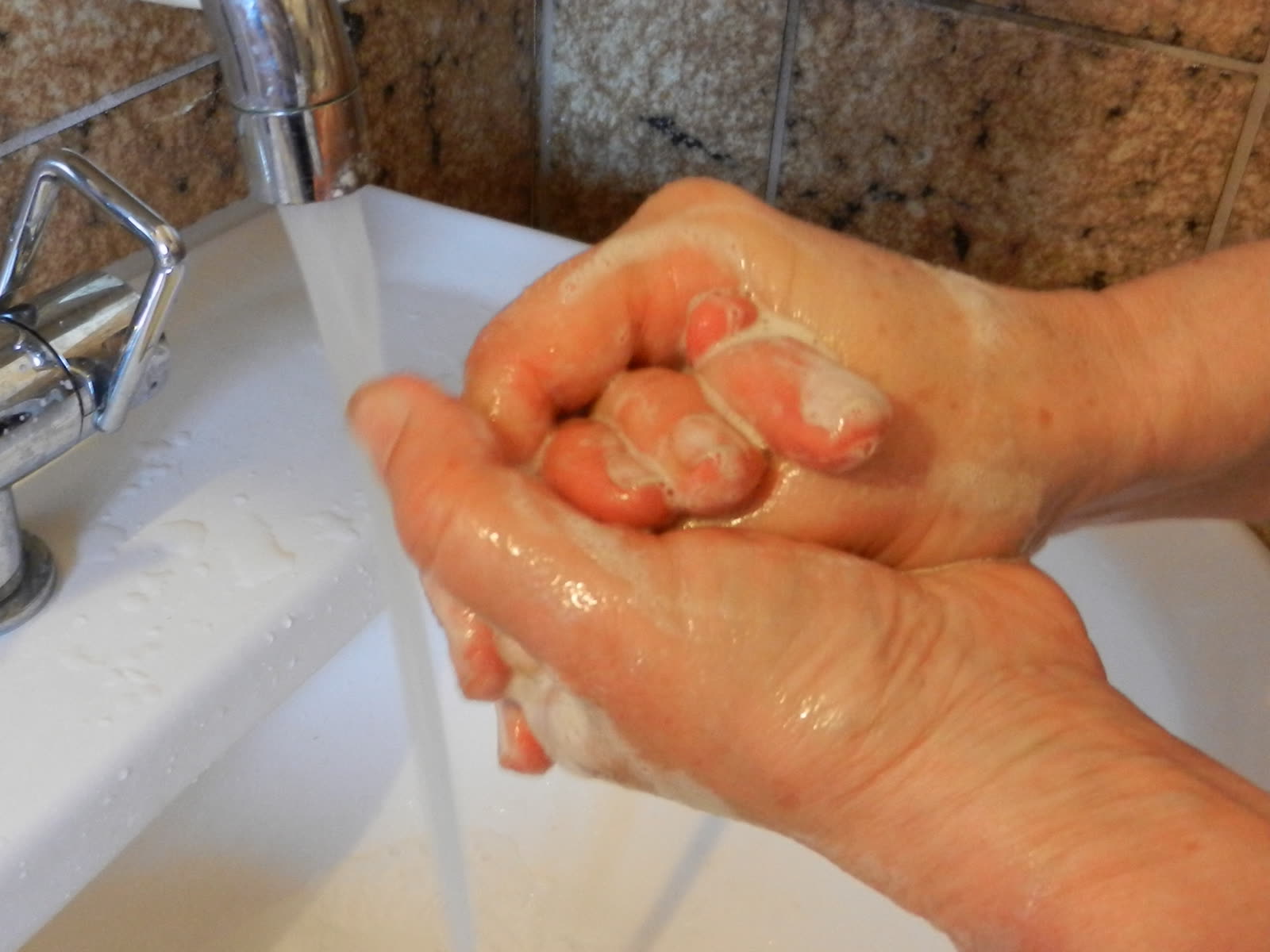
Wash your hands before, during, and after preparing food and before eating. The CDC says at least 20 seconds with soap and warm or cold water. Wash again after handling uncooked meat, poultry, seafood, flour, or eggs. Germs survive in a lot of places and travel around a kitchen that looks tidy.
Wash utensils, cutting boards, and countertops with hot, soapy water after each food. Rinse fresh fruit and vegetables under running water. Raw chicken is ready to cook and does not need a rinse first. The CDC says washing it can spread germs to other foods, the sink, and the counter.
Separate, then cook to a temperature you can measure
Raw meat, poultry, seafood, and eggs can spread germs to food that will not be cooked again. At the store, keep their juices away from other groceries. In the fridge, store them in sealed containers or well wrapped so juices do not drip. Use one cutting board or plate for raw meat, poultry, and seafood, and a different board for produce, bread, and anything else that will not be cooked.
Color and texture are a poor test, except for seafood. The CDC says the only reliable check is a food thermometer. Whole cuts of beef, veal, lamb, and pork, including fresh ham, should reach 145°F and then rest 3 minutes before carving or eating. Fish with fins should reach 145°F, or be cooked until the flesh is opaque and separates easily with a fork. Ground meats such as beef and pork should reach 160°F. All poultry, including ground chicken and turkey, should reach 165°F. Leftovers and casseroles should reach 165°F.
Microwaves leave cold spots
Follow the standing time on the package. The CDC says letting food sit after microwaving lets cold spots absorb heat from hotter areas. Know the wattage, printed inside the door or in the manual. A high-wattage oven, 800 watts or more, can use the minimum recommended time. A low-wattage oven, about 300 to 500 watts, should use the maximum. Reheated food should still reach 165°F on a thermometer.
Thaw in the refrigerator, in cold water, or in the microwave. Do not thaw on the counter. The parts that reach room temperature can grow bacteria while the center is still frozen.
The clock on the counter
Bacteria multiply quickly between 40°F and 140°F, which the CDC calls the Danger Zone. Perishable food should not sit out more than 2 hours, or 1 hour if the air is above 90°F, such as a hot car or a picnic. Refrigerate meat, seafood, dairy, cut fruit, some vegetables, and cooked leftovers inside that window.
Keep the refrigerator at 40°F or below and the freezer at 0°F or below. If the fridge has no built-in thermometer, put an appliance thermometer inside. Package hot food into shallow containers so it chills faster. Small portions of hot food can go straight into the refrigerator.
How this sits next to the way you eat
A bean soup from the everyday diet is only a useful default if the leftovers are chilled. A Sunday batch-cook from the reset should end with containers in the fridge, not a pot left to “cool on the stove” for the evening. The sodium article is about what you add for flavor. This one is about time and temperature, which no amount of herbs will fix.
Cut melon and washed produce still need the fridge once they are cut. Unpasteurized drinks and soft cheeses are on the CDC’s riskier list for a reason. If someone in the house is pregnant, older, or immunocompromised, take that list seriously and ask a clinician which foods to skip. This page cannot personalize that.
A week of one habit
Pick the step you skip. If it is hands, put soap where you can see it and wash for the length of the alphabet song twice. If it is the thermometer, leave it in the drawer you actually open. If it is the counter clock, set a two-hour timer when the food comes off the heat. One habit, used on the meals you already cook, changes more dinners than a new set of rules.
If you batch-cook, the clock starts when the food leaves the heat, not when you feel like dealing with containers. Shallow boxes chill faster. A pot left to cool on the stove through a show is how a careful recipe becomes a risk. Set the timer before you sit down. The CDC’s two-hour line, or one hour in hot weather, is easier to keep when it is a timer rather than a memory.
Photo: washing hands with soap, Beat Ruest, CC BY-SA 4.0, via Wikimedia Commons.jpg).
Free printable
The 7-day sleep, movement and mood tracker
One page, three habits, a few seconds each evening. Built on the CDC sleep guidance and the U.S. activity guidelines, with a day-7 review to spot your own pattern.
You'll also get occasional wellness notes. Unsubscribe any time.
Continue learning
Further reading
Healthy Body Mind Life provides educational self-help content only. It is not medical, nutritional, therapeutic, or licensed counseling advice. For personal health concerns, consult an appropriately qualified professional.