The shaker is not the main delivery system
It is easy to picture sodium as the salt you pinch over a tomato. The CDC’s page on sodium and health describes a different picture. Your body needs a small amount of sodium to work properly, and too much is bad for your health. Most of the sodium Americans eat comes from salt, and most of that arrives in processed and restaurant foods rather than from a cellar on the table.
Eating too much sodium can raise blood pressure and the risk of heart disease and stroke. The CDC notes that, together, heart disease and stroke kill more Americans each year than any other cause. That is the reason the number matters. It is not a reason to fear a home-cooked soup you salted yourself.
Two public numbers, and why they are not identical
The CDC says Americans consume more than 3,300 milligrams of sodium a day on average, well above the federal recommendation of less than 2,300 milligrams daily for teens and adults as part of a healthy eating pattern. One teaspoon of table salt, the page says, contains about 2,400 milligrams of sodium. Salt and sodium are not the same substance. Table salt is sodium chloride, about 40 percent sodium and 60 percent chloride.
The World Health Organization’s healthy-diet fact sheet sets a tighter adult line: less than 5 grams of salt a day, which it equates with 2 grams of sodium. It links high sodium intake with higher blood pressure and cardiovascular disease, and it notes that in many countries most salt comes from processed foods or from salty condiments and table salt. Five grams of salt is about 2,000 milligrams of sodium. The U.S. figure of less than 2,300 milligrams is close, and it is not the same sentence. Use the number that matches the label system you are reading. Do not average them into a third target this article invented.
WHO also says potassium can mitigate the effect of elevated sodium on blood pressure, and that salt substitutes containing potassium are not appropriate for everyone, including people at risk of high potassium. That is a clinician question, not a grocery hack.
The foods that quietly add up
Sodium shows up across almost every food category. For U.S. adults, the CDC’s top sources, from National Health and Nutrition Examination Survey data for 2021–2023, include deli meat sandwiches, soups, pizza, poultry other than nuggets and tenders, savory snacks such as chips, crackers, and popcorn, pasta mixed dishes, breads, rolls, and buns, cheese, meat mixed dishes, and vegetables. The vegetable line is a trap for the imagination. Packaged or processed vegetables often contain sodium. The CDC says to look for no-sodium or low-sodium options.
Other names on an ingredient list are still sodium: monosodium glutamate, sodium bicarbonate, and sodium nitrate. A food can taste only mildly salty and still carry a large amount, especially if you eat it often. Bread is the classic example of a food people do not think of as salty.
A label, not a personality test
Compare two versions of a food you already buy: the broth, the beans, the bread. The Nutrition Facts panel lists sodium in milligrams. You are looking for a swap you will still eat, not a perfect day under 2,300. Rinsing canned beans, choosing a lower-sodium broth, and cooking poultry yourself instead of relying on a seasoned package are the kinds of edits that match where the CDC says the sodium actually is.
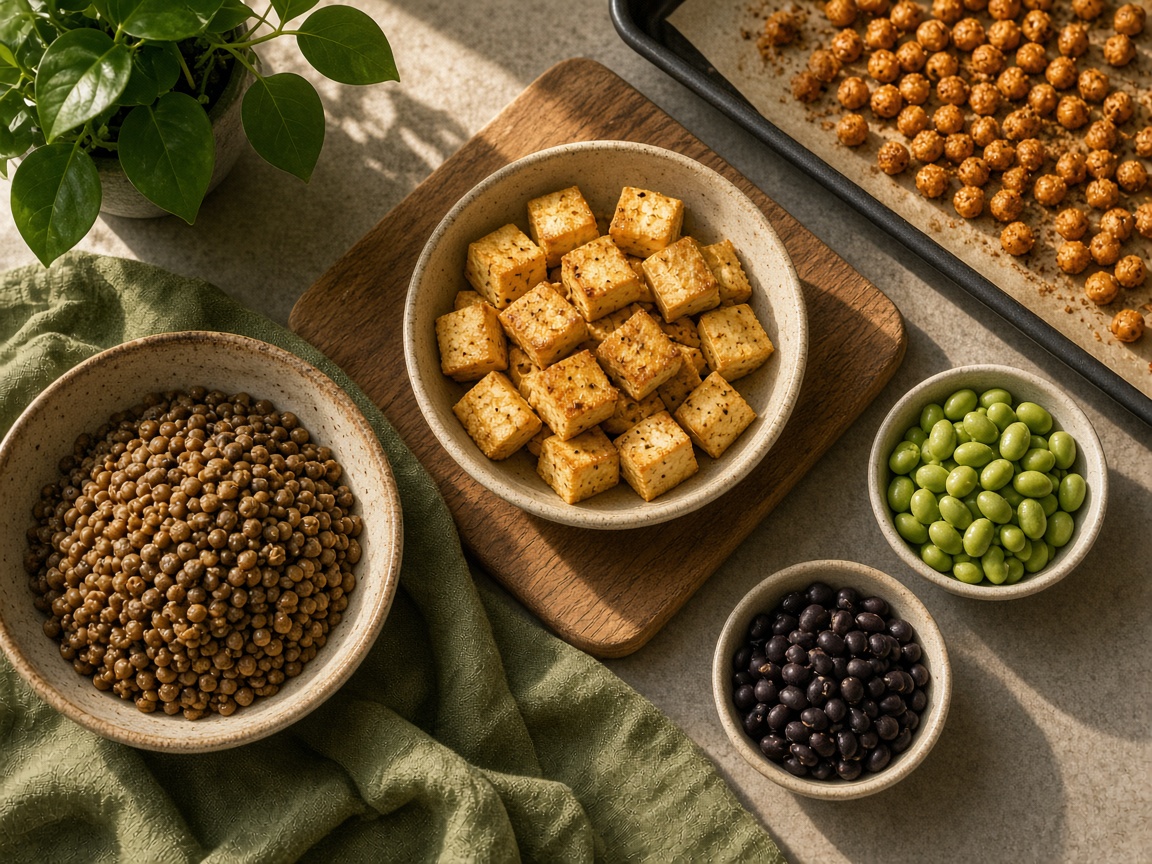
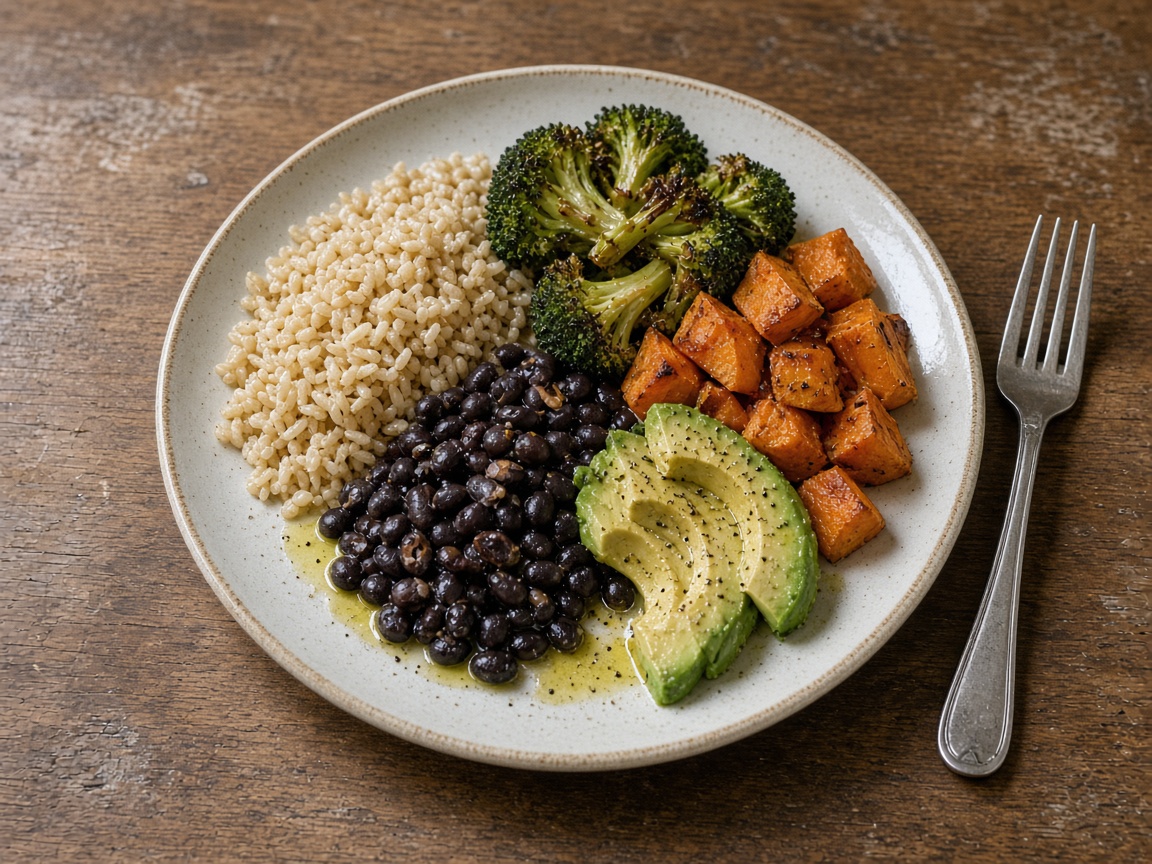
If you cook from the plant-protein list, the USDA records cited there are for beans cooked without salt. A can is a different product. The everyday plate is where this sodium note sits next to fruit, fiber, and free sugars.
Flavor that is not a salt pour
WHO’s practical reductions include using less salt and fewer high-sodium condiments such as soy sauce, fish sauce, and bouillon when you cook, keeping the salt cellar off the table, limiting salty snacks, and choosing products with less sodium. Acid, herbs, garlic, pepper, and a squeeze of citrus change a pot without pretending they are medicine.
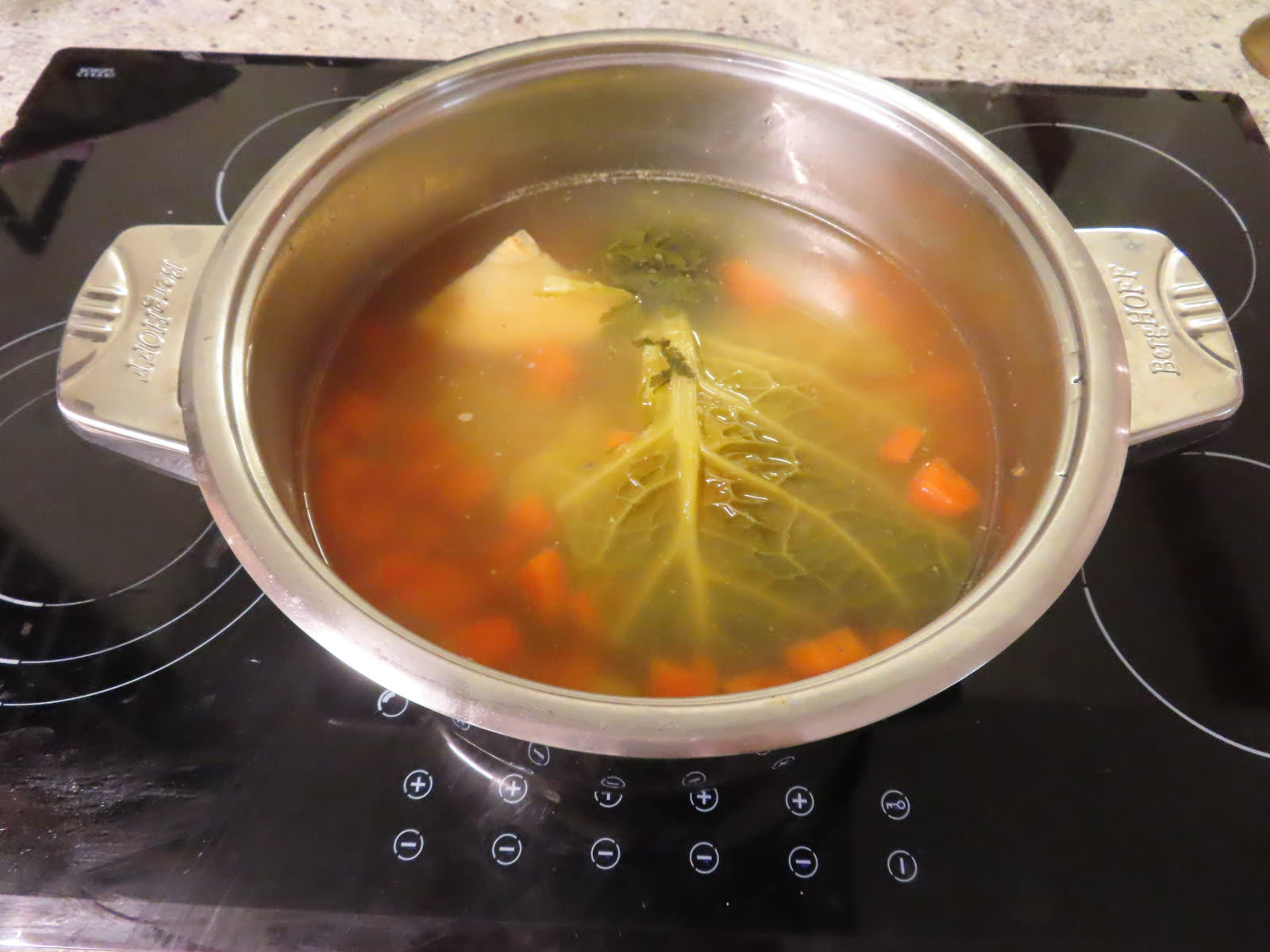
A pot of soup you simmer and season at the end is a different sodium project from a restaurant bowl. That is the point of cooking, not a moral score. The four kitchen safety steps still apply to that pot: chill the leftovers, and do not leave them out.
Who should not copy a general limit
Children’s sodium limits are lower, and WHO says they need to be estimated from energy intake rather than copied from the adult line. Pregnancy, kidney disease, and some medicines change what is safe, including whether a potassium-based salt substitute is appropriate. A fact sheet cannot see your labs. If a clinician has given you a number, use that number.
This page is not a treatment for high blood pressure. It is a map of where sodium tends to hide, drawn from the CDC and WHO. If your blood pressure is a concern, the person who measures it should be the one who sets the target.
One week of noticing, not restricting
For seven days, circle the three foods that probably carried the most sodium, using the CDC’s adult list as a hint rather than as a confession. Swap one of them for a version you season, or for a lower-sodium package you still like. Leave the other two alone until the first swap is boring and automatic.
Photo: vegetable soup, Fallaner, CC BY-SA 4.0, via Wikimedia Commons.
Free printable
The 7-day sleep, movement and mood tracker
One page, three habits, a few seconds each evening. Built on the CDC sleep guidance and the U.S. activity guidelines, with a day-7 review to spot your own pattern.
You'll also get occasional wellness notes. Unsubscribe any time.
Continue learning
Further reading
Healthy Body Mind Life provides educational self-help content only. It is not medical, nutritional, therapeutic, or licensed counseling advice. For personal health concerns, consult an appropriately qualified professional.