A limit with a definition, not a cleanse
Free sugars are a specific category on the World Health Organization’s healthy-diet fact sheet. They include sugars added to foods and drinks by a manufacturer, a cook, or you, and sugars naturally present in honey, syrups, fruit juices, and fruit juice concentrates. The fact sheet says consumption should be limited to less than 10 percent of total daily energy. For a person at a healthy body weight eating about 2,000 calories, it equates that with 50 grams, or about 12 level teaspoons. Limiting further, to 5 percent or less, may provide additional health benefits. The limit applies throughout life, not only to adults.
Whole fruit is not on that free-sugar list. Juice is. A glass of juice can look like breakfast virtue and still count toward the teaspoons. Honey on yogurt counts. The sugar already inside an intact apple is a different category, and the same fact sheet still wants fruit and vegetables in the day: at least 400 grams for everyone older than 10. The everyday plate holds that fruit target next to the rest of the pattern.
How the teaspoons actually arrive
The CDC’s page on water and healthier drinks describes sugary drinks as regular sodas, fruit drinks, sports drinks, energy drinks, sweetened waters, and sweetened coffee and tea. They contain calories and little nutritional value. Water has no calories, and replacing sugary drinks with plain water can help reduce calorie intake. That swap is the most direct way many people touch the free-sugar limit without a detox.
WHO says the reduction should be done without using non-sugar sweeteners. The fact sheet names examples such as acesulfame and the rest of that class, and it says the cut in free sugars should not be accomplished by switching to them. The CDC, separately, says drinks labeled sugar-free or diet usually contain high-intensity sweeteners, which may lower calories in the short term, while long-term questions about weight remain. Those are two documents, not one slogan. If you use a diet drink, you are in the CDC’s “open questions” category, not in a WHO-endorsed method for hitting the free-sugar line.
Breakfast is where the definition gets practical
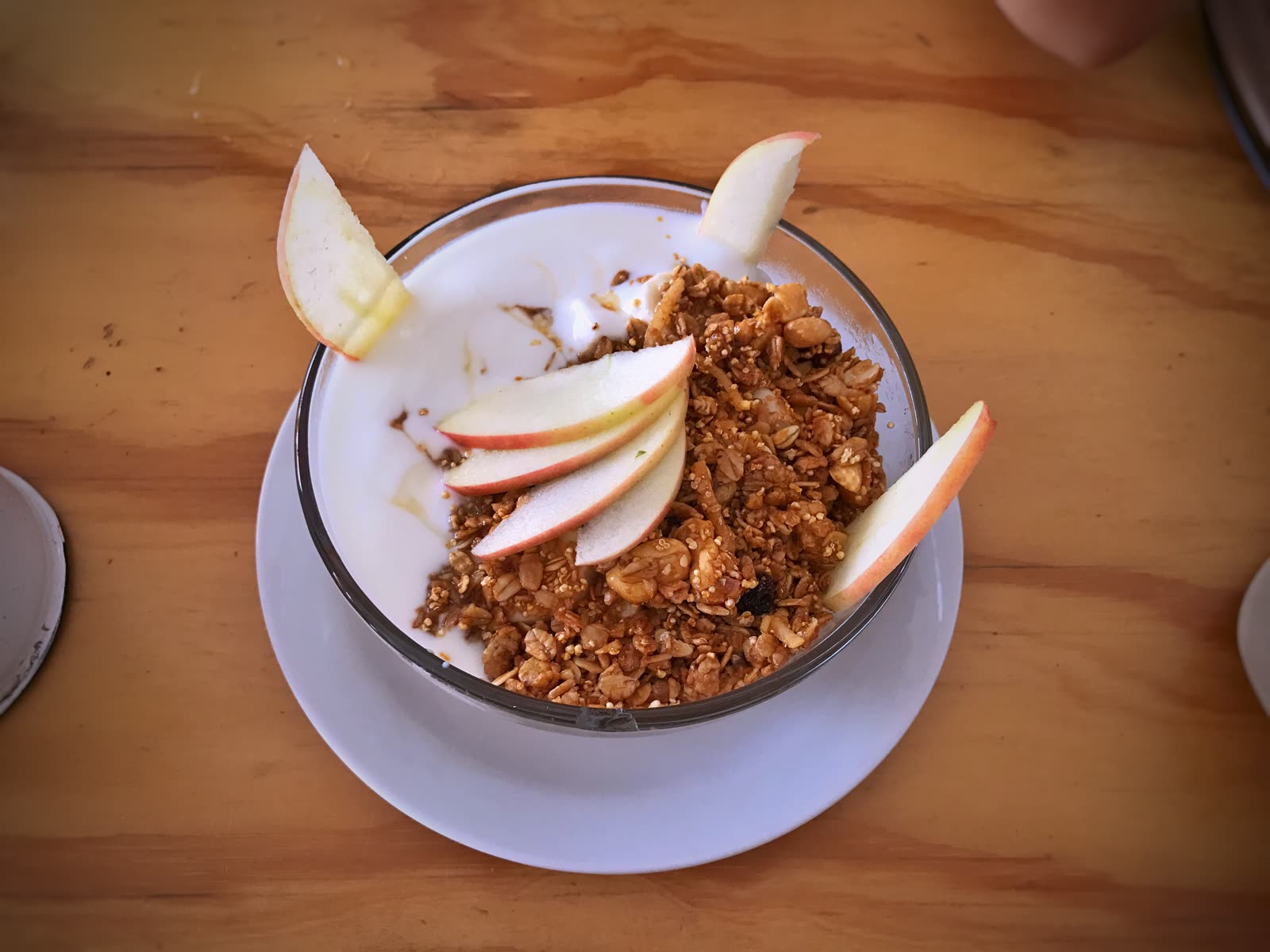
Yogurt with fruit can go either way. Plain yogurt and whole fruit sit closer to the pattern. A sweetened cup, plus granola that lists sugar early, plus juice, can spend a large share of the 50-gram example before lunch. Read the added-sugar line if the package has one. The WHO category is “free sugars,” which is wider than some label lines because it includes juice and honey. When the label and the fact sheet use different words, trust the definition you are trying to follow and do not invent a conversion.
The plant-protein guide suggests unsweetened soy milk when sweet drinks are already taking space. That is the same idea: keep the sweetened version from becoming the default.
The three o’clock drink
An afternoon slump often gets a sweet coffee. Sometimes the slump is thirst, a skipped meal, or a long sit. The hydration notes and a short walk from the desk-day article are worth testing for a week before you decide the only fix is sugar. If you still want something flavored, the CDC lists plain coffee or tea, sparkling water, and water with citrus as lower-calorie options. Plain coffee is not free of caffeine considerations. It is free of the sugar the WHO limit is about, if you leave the syrup out.
What this limit is not
It is not a ban on celebration food, and it is not a judgment of a person who likes dessert. It is a population recommendation about free sugars across the day. Children are included in the life-course advice, and their overall diets are not adult diets scaled down by guesswork. If you have diabetes care instructions, an eating disorder history, or another condition that changes sugar advice, follow the clinician who knows that history. This article will not invent a personal gram target.
Fiber, fruit, and the rest of the plate still matter. The fiber article is the U.S. side of that story. Do not trade a sugary drink for a fiber supplement and call the day finished.
One drink to change this week
Pick the sweet drink you have most days. For seven days, replace it with water, sparkling water, or plain coffee or tea, and leave dessert alone so you can tell what changed. If the afternoon feels worse, look at whether you also skipped lunch. The sugar limit works better beside a meal than as a punishment.
Keep fruit in the day. The free-sugar limit is not a reason to skip the apple. It is a reason to notice juice, honey, syrup, and the spoon that goes into coffee. If the afternoon still sags after the swap, look at lunch before you look for a new rule. A meal with protein and something fibrous often does more for that hour than another restriction. Stay with the one drink change until it is boring. Boring is how a limit becomes a habit instead of a week-long project. Whole fruit stays on the plate while the juice glass gets a second look.
Photo: yogurt with fruit and granola, T. Tseng, CC BY 2.0, via Wikimedia Commons.jpg).
Free printable
The 7-day sleep, movement and mood tracker
One page, three habits, a few seconds each evening. Built on the CDC sleep guidance and the U.S. activity guidelines, with a day-7 review to spot your own pattern.
You'll also get occasional wellness notes. Unsubscribe any time.
Continue learning
Further reading
Healthy Body Mind Life provides educational self-help content only. It is not medical, nutritional, therapeutic, or licensed counseling advice. For personal health concerns, consult an appropriately qualified professional.